
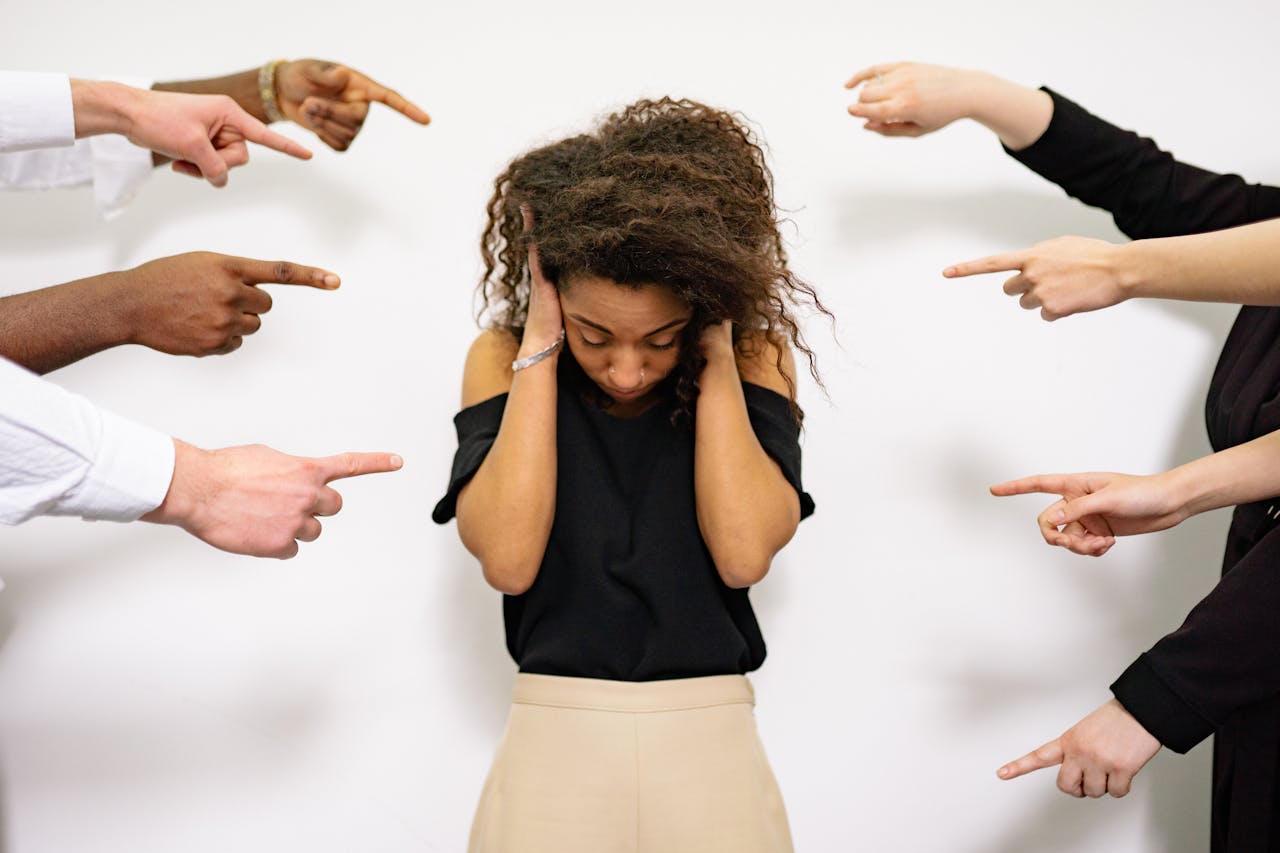
Social anxiety has often been stereotypically associated with introversion. However, in clinical practice, particularly in the years following the COVID-19 pandemic, there has been a noticeable increase in social anxiety across age groups especially among adolescents and young adults.
A significant contributing factor has been the growing reliance on social media as a primary source of interaction, validation, and identity formation. For many individuals, self-worth is increasingly tied to external metrics such as followers, likes, and online visibility. This shift has reinforced underlying core beliefs such as “I must be perfect to be accepted.” Over time, persistent self-evaluation and fear of judgment contribute to heightened anxiety and self-doubt. This often results in a self-perpetuating cycle: increased anxiety leads to avoidance of real-life interactions, which in turn reinforces the fear.
Consider the case of Akash (32), who described himself as comfortable in his “default mode” of limited social engagement. While he acknowledged that others perceived him as distant or overly formal, he experienced difficulty initiating conversations and found emotional expression unfamiliar even within family settings. On further exploration, it became evident that Akash had grown up in an environment where emotional sharing was neither modelled nor encouraged. With a highly critical parental figure and high-achieving family standards, he internalized a tendency toward self-criticism. As a result, social interaction became associated with discomfort and evaluation rather than connection. Interestingly, he was able to engage effectively in structured professional settings, such as conferences, where roles and expectations were clearly defined highlighting that his difficulty was not a lack of ability, but a discomfort with unstructured, personal interaction.
A similar pattern was observed in Jigna (45), who sought therapy following concerns raised within her marital relationship. Her husband expressed distress about her limited social engagement, noting that her discomfort in social situations impacted their shared experiences. He often avoided including her in social gatherings, as he felt responsible for managing her discomfort, which in turn led to feelings of restriction and strain within the relationship.
Jigna recognized her challenges but felt immobilized by intense fear of judgment and rejection. Her internal dialogue was dominated by cognitive distortions such as “What if I say something wrong?” or “What if I embarrass myself?” This anticipatory anxiety created a mental barrier even before entering social situations. Despite being physically present among others, she experienced a sense of psychological isolation. Her desire to avoid disappointment both self-imposed and perceived from others ironically led her to withdraw further, reinforcing the very outcome she feared.
At the core of such avoidance patterns are often deeply rooted emotions of shame, embarrassment, and guilt. In an effort to protect oneself from perceived negative evaluation, individuals may retreat into familiar patterns of avoidance. While this provides short-term relief, it gradually limits opportunities for corrective experiences and meaningful connection.
From a psychological perspective, social anxiety is not simply a deficit in social skill, but a complex interplay of core beliefs, emotional vulnerability, and learned behavioural patterns. Therapeutic work typically involves identifying and restructuring maladaptive thoughts, gradually increasing tolerance for discomfort, and encouraging safe, incremental social engagement.
Overcoming social anxiety does not require perfection in interaction it requires willingness to show up, tolerate vulnerability, and reframe one’s relationship with judgment. Meaningful connection is built not through flawless performance, but through authenticity and repeated, imperfect attempts at engagement.
Practical Tools to Overcome Social Anxiety
1. Start Small and Gradual
- Begin with brief interactions (e.g., greeting a colleague, small talk around conversations limited to sports, weather, travel)
- Gradually increase the level of engagement to deeper discussions of professional and personal life
2. Challenge Negative Automatic Thoughts (ANTS)
Notice your automatic thoughts:
- “Everyone is judging me.”
- “I’ll embarrass myself.”
Ask yourself:
- What evidence supports this?
- Is there any other alternative?
3. Normalize Discomfort
Remind yourself:
- Social Anxiety is not dangerous, it is uncomfortable and temporary
- Most interactions are imperfect and uncertain for everyone
4. Build Emotional Awareness
Reflect on what you feel beneath the anxiety:
- Is it fear of rejection?
- Am I ashamed of my actions or the way I Am? Can I truly not handle the embarrassment?
5. Create Safe Social Spaces
Engage in:
- Hobby groups (dance, music, sports, painting, chess classes)



0 Comments